What Actually is Permanent Makeup and Why People Keep Getting It
So permanent makeup – or PMU if you’re in the industry – is basically tattooing but for cosmetic purposes. Think eyebrows, eyeliner, lips. The technical term is „cosmetic tattooing” or „micropigmentation” and it’s been around way longer than most people think, like since the 1980s at least. But it’s exploded recently. I mean really exploded.
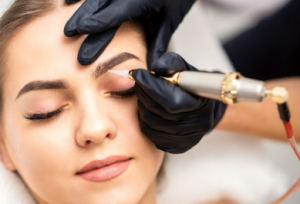
The procedure uses iron oxide pigments (not the same as regular tattoo ink, which is important) deposited into the dermal layer of skin. Most places use either manual microblading tools or digital machines that look kind of like tattoo guns but work differently. The Nouveau Contour device is one brand that’s pretty common in clinics across Europe, and in the US you see a lot of Softap systems.
Why The Sudden Boom?
Here’s the thing – the permanent makeup market hit $1.43 billion globally in 2022. That’s according to Market Research Future’s report, and they’re projecting it’ll reach $2.1 billion by 2030. That’s not even accounting for the underground market which… let’s just say there’s a lot of people working out of their apartments who aren’t in those numbers.
Instagram changed everything honestly. When microblading became the hot thing around 2015-2016, suddenly everyone wanted those feathered brows. Benefit Cosmetics actually reported their brow product sales dropped in certain markets where PMU became super accessible. Not that they’d admit it publicly but the correlation is there.
What really pushed it mainstream though was the pandemic. People stuck at home realized they were spending 30 minutes every morning on eyebrows and eyeliner for Zoom calls. The ROI calculation became obvious – spend $400-800 once (or twice counting touch-ups) versus buying makeup repeatedly plus the time factor.
The Types People Actually Get
Eyebrows are like 70% of the market, maybe more. You’ve got microblading which is manual strokes that look like hair. Then there’s powder brows (sometimes called ombre brows) done with a machine that gives that filled-in look. Combo brows mix both techniques.
PhiBrows from Serbia is probably the biggest training academy for microblading – they’ve trained over 50,000 artists worldwide. Their founder Branko Babic kind of standardized a lot of the measurement and symmetry techniques everyone uses now, even if they didn’t train with PhiBrows specifically.
Eyeliner is the second most popular. Usually people get a lash line enhancement which is super subtle, just makes your lashes look thicker. Full winged liner is possible but here’s where I get opinionated – most artists will try to talk you out of dramatic permanent eyeliner because trends change. What looks good in 2025 might look dated by 2028. And unlike eyebrows that fade and can be adjusted, eyeliner tends to last longer.
Lip blushing has gotten huge in the last 3 years. It’s not like the harsh lip liner your aunt got in 1995 (we’ve all seen those horror stories). Modern lip blushing is subtle, just enhances natural color and definition. Perma Blend is one of the more trusted pigment brands for lips – their Tina Davies line specifically.
The Cost Situation
Prices are all over the place. In New York or LA, you’re looking at $600-1200 for eyebrows from someone reputable. I’ve seen places in Manhattan charging $2000. In smaller cities maybe $400-600.
But here’s the catch – you need a touch-up at 6-8 weeks (another $100-300), then annual or bi-annual touch-ups to maintain it. So that „permanent” label is kind of misleading. It’s more semi-permanent because the pigment does fade, especially if you’re using retinol or getting chemical peels.
The budget options worry me. Groupon deals for $150 microblading? That person either just finished training or is cutting corners somewhere. The pigments alone cost artists $15-30 per procedure if they’re using quality stuff like Li Pigments or Permablend. Add equipment costs, rent, insurance, licensing fees – the math doesn’t math at super low prices.
Safety Stuff You Should Know
The FDA doesn’t actually approve pigments for cosmetic tattooing. They approved tattoo inks for „decorative purposes” but PMU is this weird gray area. Most states regulate it under tattooing laws or cosmetology boards. Some barely regulate it at all.
There was that whole thing in 2019 where several pigment lines got recalled because they contained high levels of bacteria. BioTouch and DelRay Cosmetics were among them. Over 14,000 units recalled. Shows why the cheap options are risky – you don’t know what’s in those pigments.
Infections are rare if proper protocols are followed but when they happen they’re not fun. The Journal of Clinical and Aesthetic Dermatology published a study in 2020 looking at adverse reactions – they found about 0.5-1% infection rate, which sounds low until you think about how many procedures happen daily. Allergic reactions to the pigments are even rarer but can happen, especially with red pigments which apparently have caused issues historically.
You can’t get an MRI right away after PMU. Well, you can, but some pigments contain metallic compounds that can heat up. Most modern pigments are MRI-safe but older ones or cheap ones might not be. Something to ask about.
Who’s Actually Getting This Done
Not just Instagram influencers, turns out. The alopecia community uses PMU extensively – people with hair loss conditions getting realistic hairlines and brows tattooed. Medical tattooing for cancer survivors who lost eyebrows during chemo is huge. Some insurance plans even cover it as reconstructive (not many, but some).
Athletes love it. Swimmers especially. I read somewhere that like 40% of Olympic swimmers have some form of permanent makeup though I can’t verify that number – it was in a Cosmopolitan article from 2021. Makes sense though when you’re in chlorine daily.
Men are the fastest growing demographic apparently. Mostly scalp micropigmentation for balding (which is technically PMU), and eyebrow restoration. There’s less stigma now than there was even 5 years ago.
The Training Problem
Here’s where it gets messy. You can become a „certified” microblading artist in a weekend course. Seriously. Pay $2500-4000, take a 2-3 day intensive, practice on fake skin or maybe one live model, boom you’re certified.
That’s insane when you think about it. PhiBrows requires 6 months minimum before certification, with extensive training and multiple models. But most courses aren’t that rigorous. The Society of Permanent Cosmetic Professionals (SPCP) has been pushing for standardized training requirements but it’s voluntary.
Some states require an esthetician license or tattoo license first, which at least means some baseline training. Others require nothing except maybe a bloodborne pathogen certification you can get online in an hour. Texas has pretty strict requirements – need 750 hours of tattoo apprenticeship. California requires operating under a licensed physician or within specific facilities. But Nevada? Pretty much anyone can do it anywhere.
Different Techniques Keep Evolving
Nano brows are the newer thing – uses a single needle cartridge to create hair strokes even finer than microblading. Heals faster, less trauma to skin. Artists are charging more for it too, naturally.
Microshading vs microblading is a huge debate in the PMU community. Microblading looks more natural but fades faster and doesn’t work well on oily skin. Microshading (the powder technique) lasts longer and works on all skin types but can look too filled-in if not done right. Most experienced artists push combo brows now because you get best of both.
There’s this technique from Ukraine called hyperrealism brows that’s gaining traction. It’s extremely detailed, takes like 3 hours, costs a fortune. Anastasia Koba is one of the artists who popularized it – her work is genuinely impressive, almost impossible to tell it’s tattooed.
For lips, there’s ombre lips vs full lips vs neutralization. Neutralization is for people with darker lip pigmentation who want lighter lips – it’s complicated and not every artist does it well. Requires color theory knowledge and multiple sessions usually.
Pigment Chemistry Matters More Than People Realize
Iron oxides are the base for most pigments. But the way they’re processed and what else is mixed in determines how they heal and how long they last. Cheap pigments often have fillers that cause the color to change – like black eyeliner turning blue-gray over time, or brown eyebrows turning red.
The good brands – Li Pigments, Perma Blend, Tina Davies – invest in R&D for color stability. Li’s pigments run about $45 per bottle and you might use a quarter bottle per procedure. The math makes sense why artists charge what they do, assuming they’re using quality products.
Carbon-based blacks are being phased out by a lot of artists because they don’t fade well. Tends to stay in the skin longer than desired. Modern formulations use iron oxides even for black pigments now.
The Removal Situation
If you hate your PMU, removal is possible but it’s worse than the original procedure. Laser removal works but takes multiple sessions and costs more than the initial PMU. Saline removal is supposedly gentler – they tattoo saline solution over the PMU to lift the pigment out. Still takes multiple sessions.
Glycolic acid removal exists too. And there’s this stuff called NARL Permanent Makeup Remover that some techs use. It’s basically tattooing a removal solution into the skin. Sounds medieval but apparently works faster than laser in some cases.
Here’s the really annoying part – removal isn’t always complete. Especially with older PMU or cheap pigments. I’ve seen people years into removal still trying to fade stubborn pigment.
Long-term Effects Nobody Talks About
Pigment migration is real. Over years the pigment can spread slightly, especially with eyebrows. That sharp hair stroke from year one might look a bit blurrier by year five. Quality application and not going too deep helps but it happens regardless over long enough timeline.
Sun exposure affects fading significantly. People who use SPF on their faces daily retain their PMU color better. But people who tan or are outdoors a lot without protection – their brows can fade to that orangey tone or disappear entirely within a year or two.
Your face changes as you age. Eyebrows that looked perfect at 30 might look off at 50 because skin sags, facial structure changes. Something to think about with „permanent” work.
The Tech Side Is Getting Weird Now
AI is being used by some training companies to analyze symmetry and propose eyebrow shapes. There’s a device called the Brow App that measures faces and suggests designs. Some artists love it, others think it’s making everything too cookie-cutter.
Digital machines are getting more sophisticated. The newer PMU machines have pressure sensors and automatic needle depth control. Makes consistency easier but you still need the artistic eye.
3D printing is being used to create practice skin that feels more realistic. Before this artists practiced on fake skin that felt like leather or weird silicone that didn’t behave like real skin. The new stuff is supposedly much better for training purposes.
Augmented reality apps exist now where you can preview PMU before getting it done. Take a photo and it overlays different eyebrow shapes and colors. It’s not perfect but gives you a better idea than just looking at other people’s results.
Client Expectations vs Reality
People see heavily filtered Instagram posts and expect those results. Here’s the truth – fresh PMU right after the procedure looks darker and more defined than the healed result. It scabs (not supposed to but often does), peels, and then looks super light before the true color emerges at 6 weeks.
The color you see immediately after isn’t what you’re keeping. This causes so much disappointment when people don’t understand the healing process. Good artists show healing progression photos but even then, clients freak out during the „ghost brow” phase around week 2 when like 50% of the color has flaked off.
Also, „permanent” makeup still requires maintenance. If someone tells you it lasts forever without touch-ups, they’re either lying or don’t know what they’re talking about. Annual touch-ups minimum for most people, some need them every 6 months depending on skin type and lifestyle.
The whole thing is still evolving too. What’s considered best practice now might change. Five years ago microblading was everything, now combo brows and nano brows are taking over. Who knows what technique will be dominant in 2030.
Honestly I think the industry needs better regulation overall, more transparency about training requirements, and realistic expectation-setting with clients. But when it’s done right by someone who actually knows what they’re doing, it can be genuinely life-changing for people.