An exploration of the idea that quality makeup brushes are (and can be) a truly affordable luxury, but that can be pushed too far by unfair comparisons and marketing tactics.
I posted something on Instagram a while back that got shared a lot:
Let's put something in perspective:
Even at $28 for a single brush, it's still cheaper per use than a disposable sponge.
Instagram Post
A lot of people don't see makeup brushes this way. My mom's generation thinks of brushes as something that comes free with a compact. People my age think $12 at the drugstore is splurging. The influencer crowd thinks $200 brush sets are baseline.
Truth is, I just replaced my foundation brush last month. Paid $24 for it. I've had my previous one for about three years, used it maybe four times a week. That's over 600 uses. The math isn't complicated.
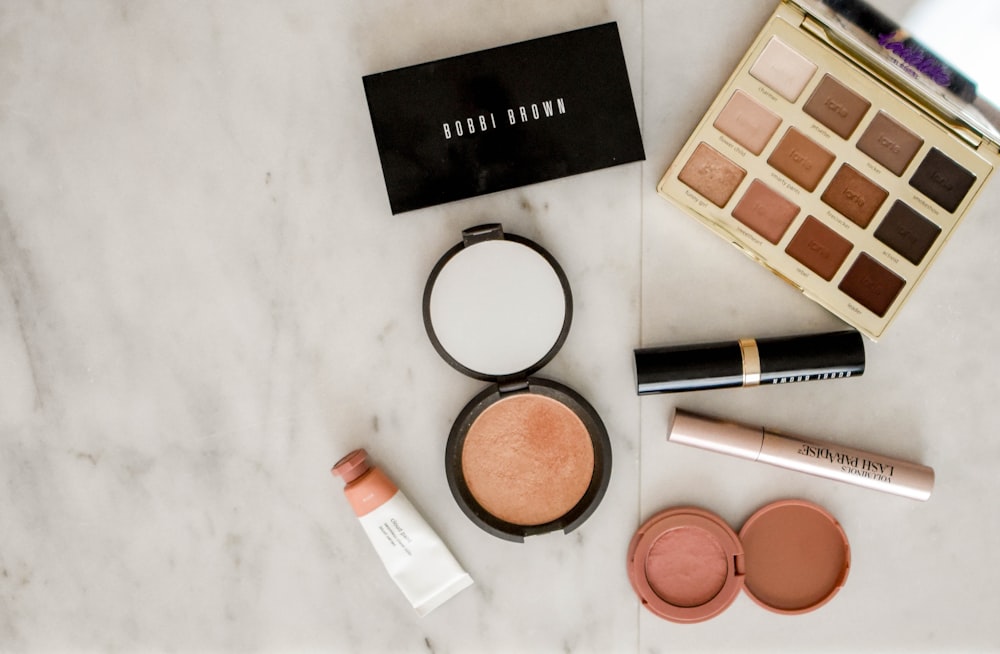 Quality brushes: an investment in your routine
Here's the breakdown. A $24 brush used 4 times weekly over 3 years gives you roughly 624 uses. That's $0.038 per use. Less than four cents. A beauty blender at $20 lasts maybe 3 months with the same usage frequency. That's 48 uses, making it $0.42 per use. Eleven times more expensive per application.
Even a $45 brush from MAC or a $52 brush from Hakuhodo, assuming the same 3-year lifespan, costs $0.07 to $0.08 per use. Still cheaper than disposable options. Affordable luxury, right there.
Now an expanded side note: I think quality brushes are an affordable luxury, but I think they stop being "affordable" once the per-use cost exceeds that of a mid-range disposable alternative. And there's the comparison problem.
A lot of beauty influencers with massive followings talk about how cheap makeup brushes are compared to artist paintbrushes or calligraphy brushes. I've seen this argument dozens of times. A $300 Kolinsky sable watercolor brush gets brought up constantly. To me this comparison is lazy and honestly a bit manipulative. The reason is simple: usage patterns. An artist's brush is a professional tool used for income generation. A makeup brush is a personal care item. Different categories entirely.
When I see a brand ambassador comparing their $85 powder brush to a $400 Windsor & Newton Series 7 and claiming the makeup brush is a bargain, I lose respect for the argument.
A professional artist's brush is tax deductible, generates revenue, and operates in a completely different economic context. The comparison tells consumers nothing useful.
$15–$35
Jade Roller / Gua Sha
Personal care, daily use, aesthetic appeal, similar retail environments
$15–$35
Quality Eye Brush Set
Same consumer headspace, comparable use case
I think this comparison makes more sense: mid-tier skincare tools. Compare the price of a quality makeup brush to a jade roller or a gua sha tool. These occupy the same consumer headspace. Personal care, daily use, aesthetic appeal, similar retail environments. A decent jade roller runs $15 to $35. A quality eye brush set runs about the same. Now we're having a real conversation.
This is why I think $50 to $60 is the maximum price for a single brush before you lose any credibility on "affordable luxury". A full face brush set shouldn't exceed $150 to $180 for the same reason.
And keep in mind, that $55 brush becomes $65 or more once you factor in shipping and tax. Some of us live in states with 10% sales tax. That adds up. $65 is real money to a lot of people.
In the home, I think the same standard applies — brushes remain an affordable luxury until the per-use cost exceeds disposable alternatives by a significant margin. A pack of 50 disposable applicators costs around $8, making each one $0.16. Once your brush costs more than $0.16 per use*, it's moving out of "affordable luxury" territory into just "luxury". Still potentially worth it. But let's be accurate about what we're selling.
Another thing I've been tracking: many brands have been migrating from natural hair to synthetic fibers over the past five years, often without adjusting prices downward. The stated reason is usually ethics or sustainability. I support those goals. But goat hair and squirrel hair cost manufacturers significantly more than nylon and taklon.
$4–$6
Natural hair kabuki brush manufacturing cost
$1.50–$2.50
Synthetic version manufacturing cost
+15%
Price increase during material switch
A natural hair kabuki brush might cost a brand $4 to $6 to manufacture. A synthetic version of the same brush costs $1.50 to $2.50. Retail prices have stayed flat or even increased. The margin expansion is substantial and mostly unacknowledged.
I watched one brand (I won't name them but you can probably guess) switch their entire line from goat hair to synthetic over 18 months. Prices went up 15% during that period. The packaging got nicer. The brushes themselves got cheaper to make. Nobody talked about it.
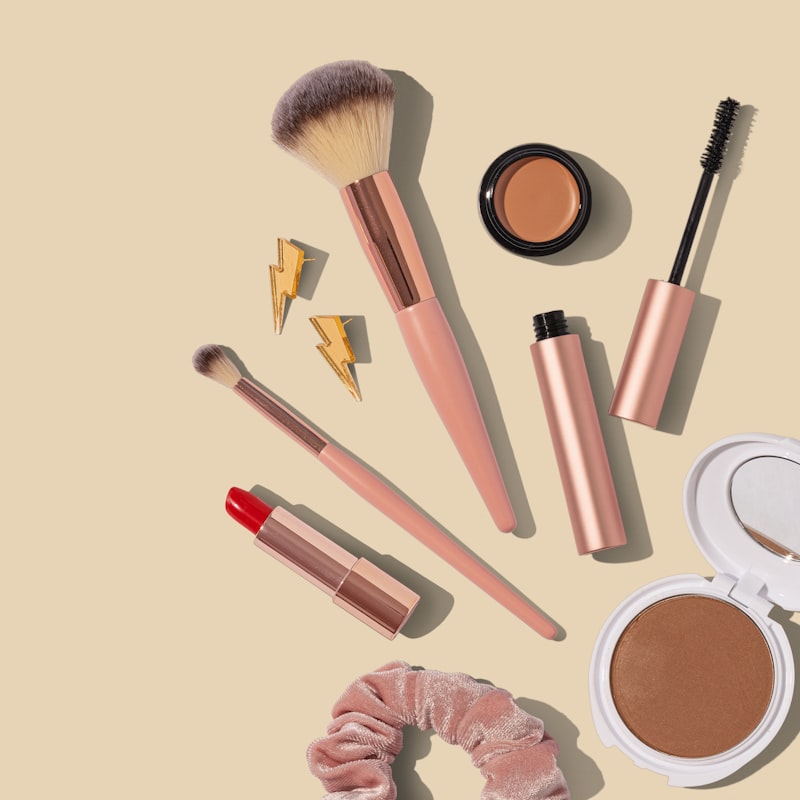
Some brands have been more honest. Real Techniques has always been synthetic and always been priced accordingly. Sigma shifted to synthetic and actually lowered some prices. That's integrity. But they're not the norm.
The other trend is set sizes. Five years ago a "complete" brush set meant 12 to 15 brushes. Now a "complete" set is often 7 to 10 brushes. The prices dropped maybe 20%. The brush count dropped 30% to 40%. This isn't a deal. This is repackaging.
Let's do comparison math here.
| Set Type |
Price |
Brush Count |
Per Brush Cost |
| Traditional "Complete" Set |
$89 |
15 brushes |
$5.93 |
| Modern "Complete" Set |
$75 |
10 brushes |
$7.50 |
| Price Increase Per Brush: |
+26% |
A 15-brush set at $89 works out to $5.93 per brush. A 10-brush set at $75 from the same brand (or similar quality tier) works out to $7.50 per brush. That's a 26% increase per brush while the consumer feels like they saved $14.
I've seen this pattern with Morphe, with BH Cosmetics, with several Sephora Collection releases. The per-brush cost keeps climbing. The marketing keeps emphasizing the lower total price point.
Brand representatives and beauty influencers want to remind you that the cost of a brush factors in R&D, quality control, bristle sourcing, and design.
Yet these same people rarely mention what the consumer has to spend to maintain the brush properly. Here's where that * from earlier becomes relevant.
Cleaning Solution
A brush needs cleaning solution. A decent one costs $8 to $15 and lasts maybe two months with regular use. That's $48 to $90 per year.
Storage & Drying
A brush also needs a drying rack or proper storage. Budget $15 to $30 for something decent.
Replacement
Brushes need replacement when bristles fray or shed. That timeline varies but it's real.
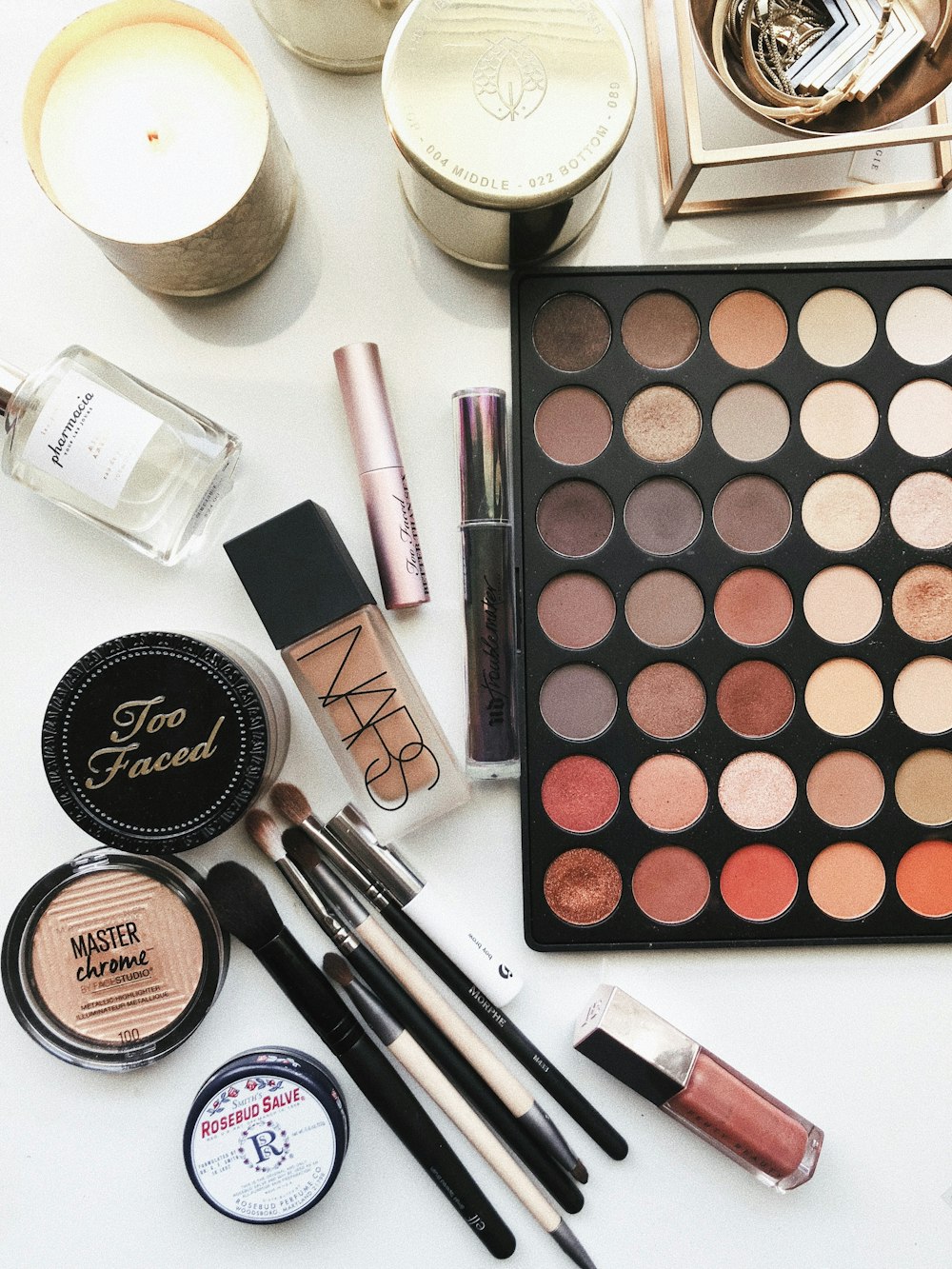 Proper maintenance extends brush life significantly
My actual cost for that $24 foundation brush over three years: $24 for the brush, roughly $150 in cleaning solution (I use Parian Spirit, not cheap), $20 for my drying setup, and probably $5 in replacement cost for the small brushes I ruined by not drying them correctly early on. Call it $200 total for three years of foundation brush usage.
Three-Year Total Cost of Ownership
Foundation Brush
$24
Cleaning Solution (Parian Spirit)
~$150
Drying Setup
$20
Replacement (ruined small brushes)
~$5
Total
~$200
That changes the per-use cost from $0.038 to about $0.32. Still under the disposable threshold. Still affordable luxury territory. But it's not the fantasy number that the brush-only calculation suggests.
A $60 brush with the same maintenance costs runs about $0.41 per use over three years. Now we're right at parity with disposables. A $90 brush pushes to $0.46. That's officially more expensive per use than throwing away a sponge every week.
Single Brush Price Categories (with Total Cost of Ownership)
Under $45
Affordable Luxury
To me, brushes under $45 remain firmly in the affordable luxury category when you factor in total cost of ownership. $45 to $70 is borderline. Above $70 for a single brush is luxury pricing and should be acknowledged as such.